To spread the original, universal and eternal truth, path or law of yoga, which remains forever the same in essence, yet always adapts to the time and place.
|
To spread the original, universal and eternal truth, path or law of yoga, which remains forever the same in essence, yet always adapts to the time and place. |
|
> Indian
Art Galleries > Harish
Johari Painting Tradition > Figure
Styles

Comments on the style of the figures in the Harish
Johari wash painting tradition.
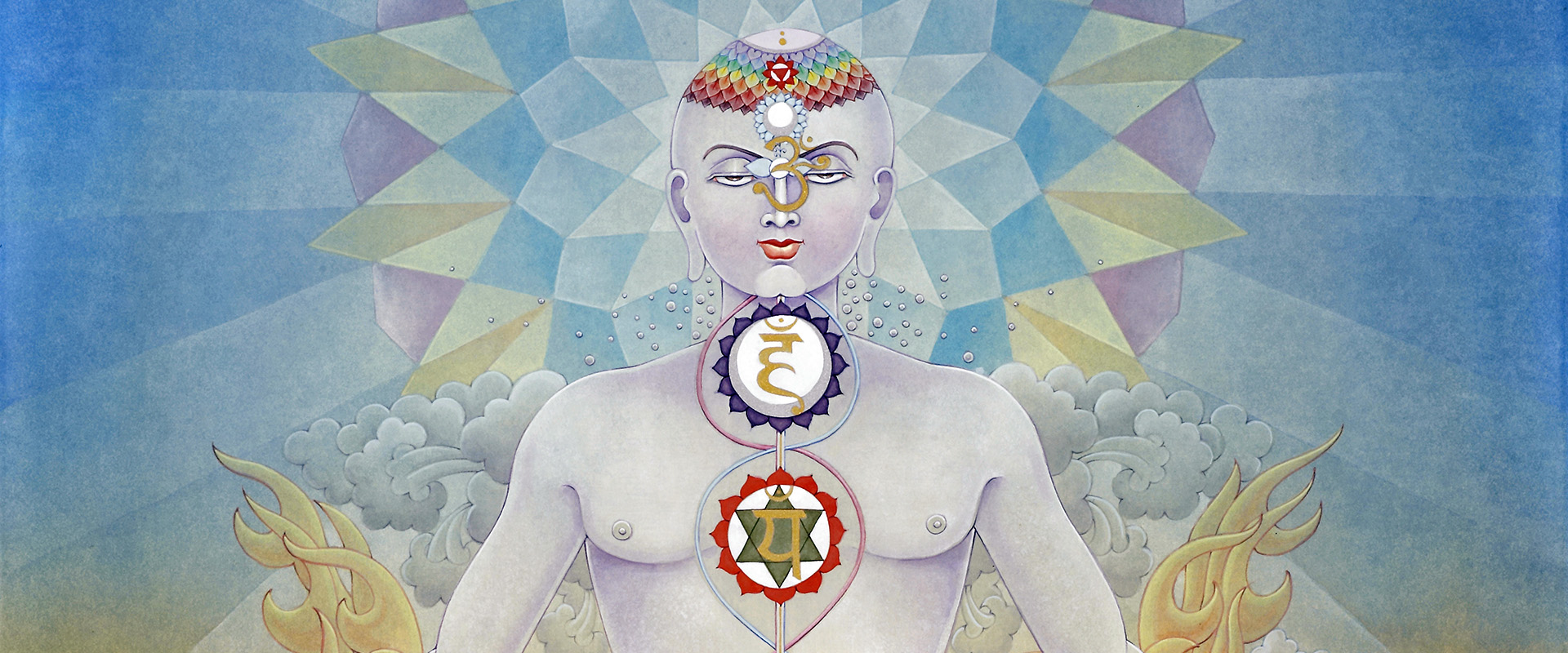
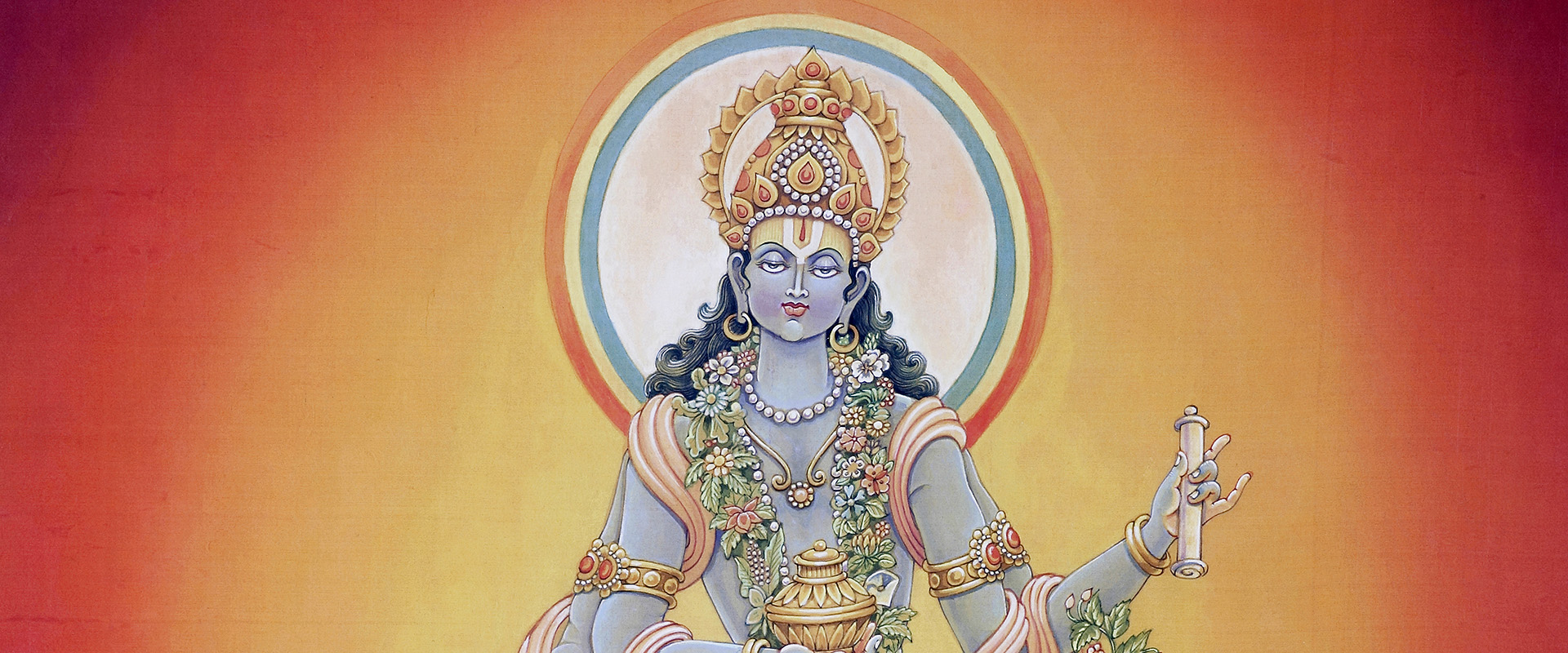
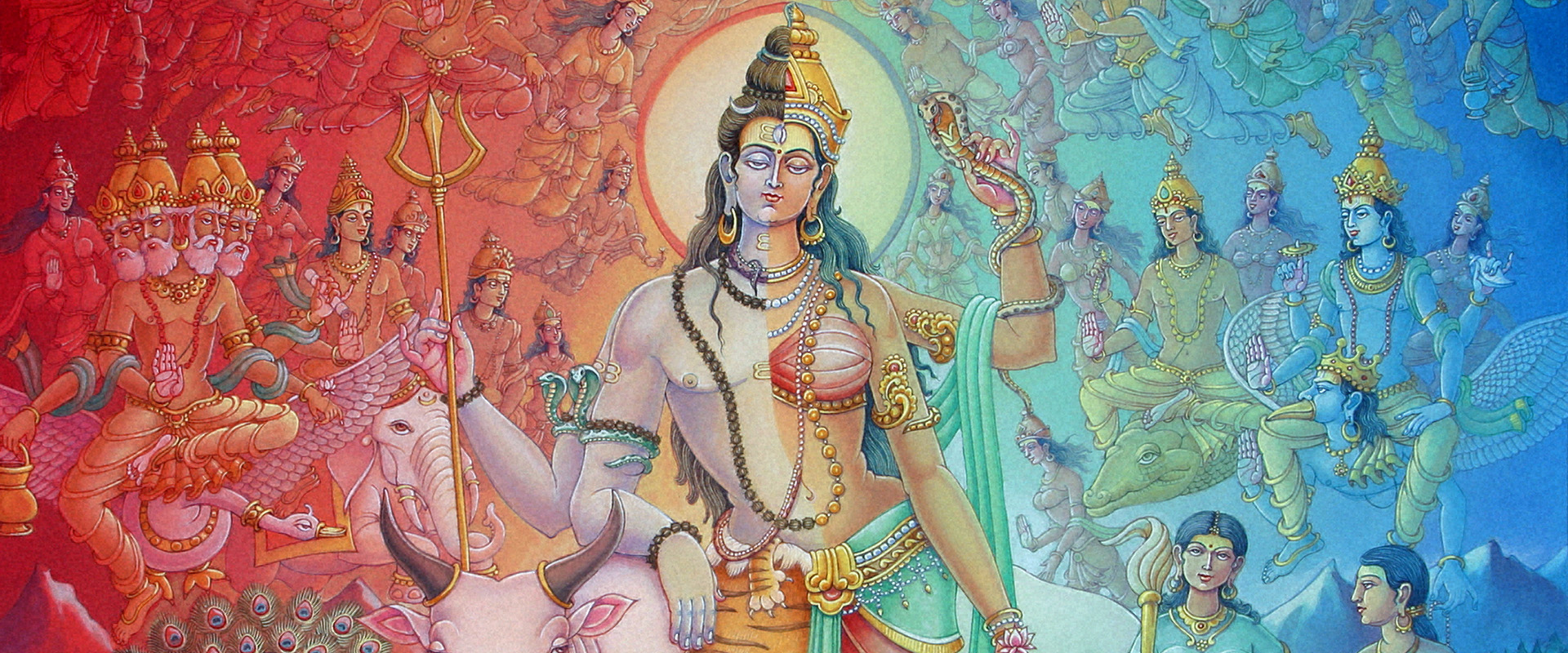
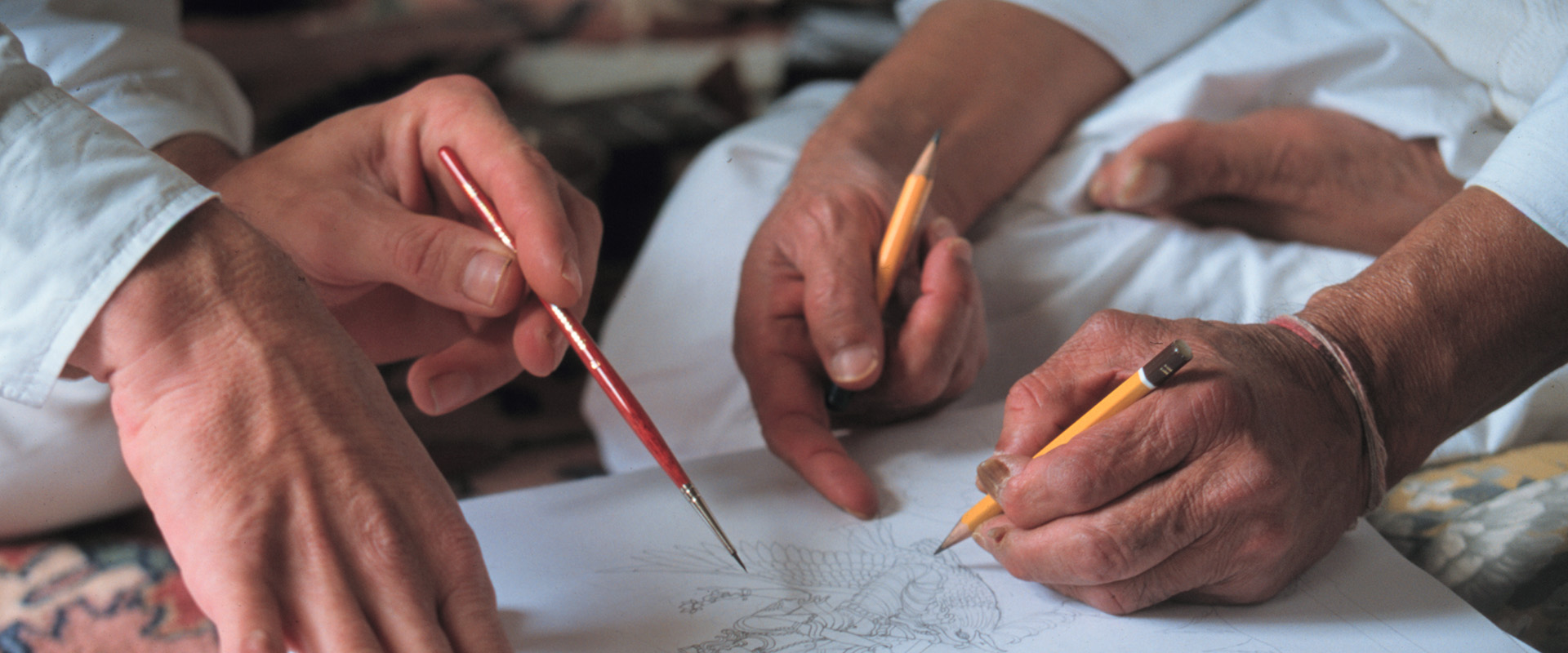
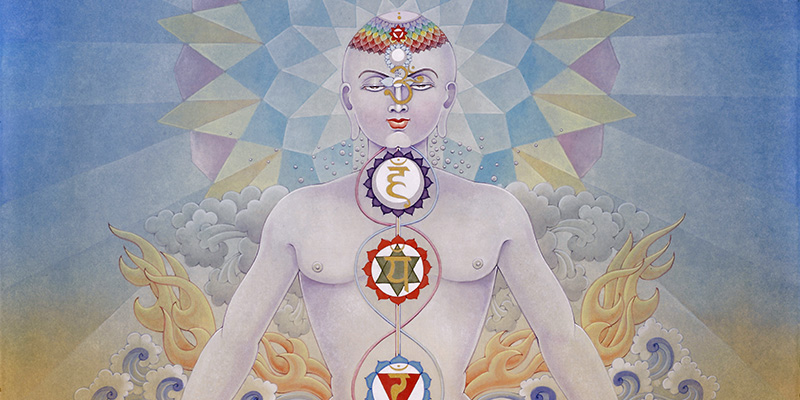
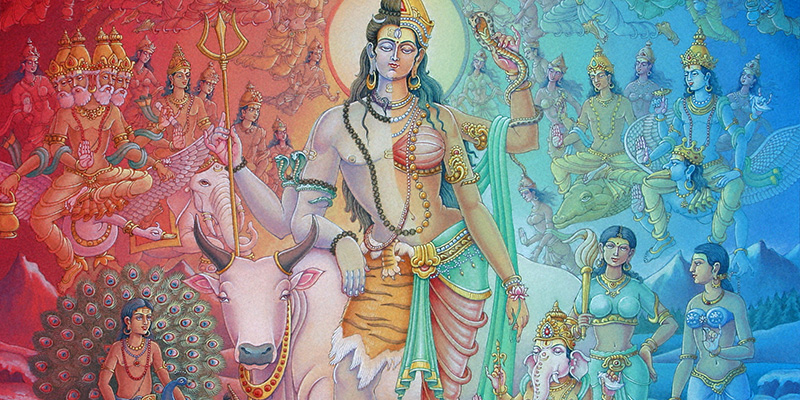
Regarding the style of the figures, Harish Johari writes the following :
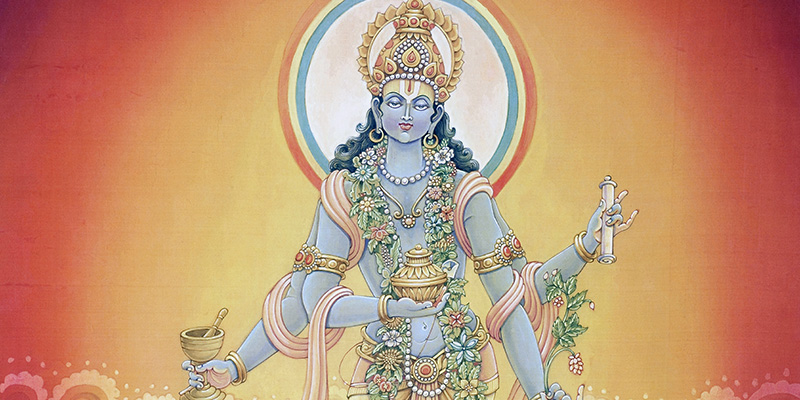
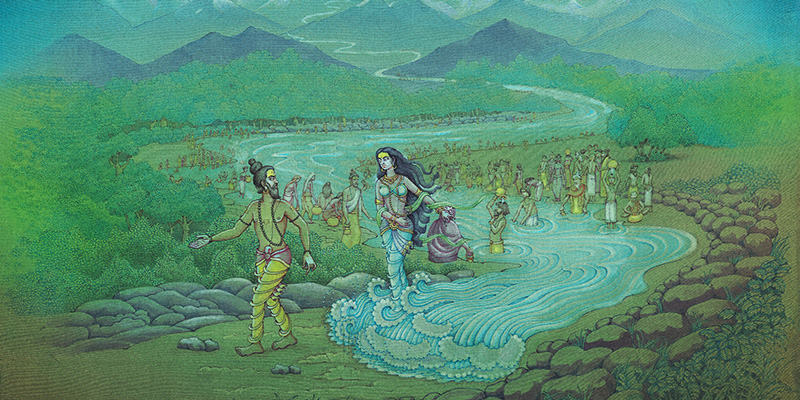
The style of the figures is a mixture of three existing forms of Indian artwork that can be found in the painted or sculptured art forms in temples throughout India.
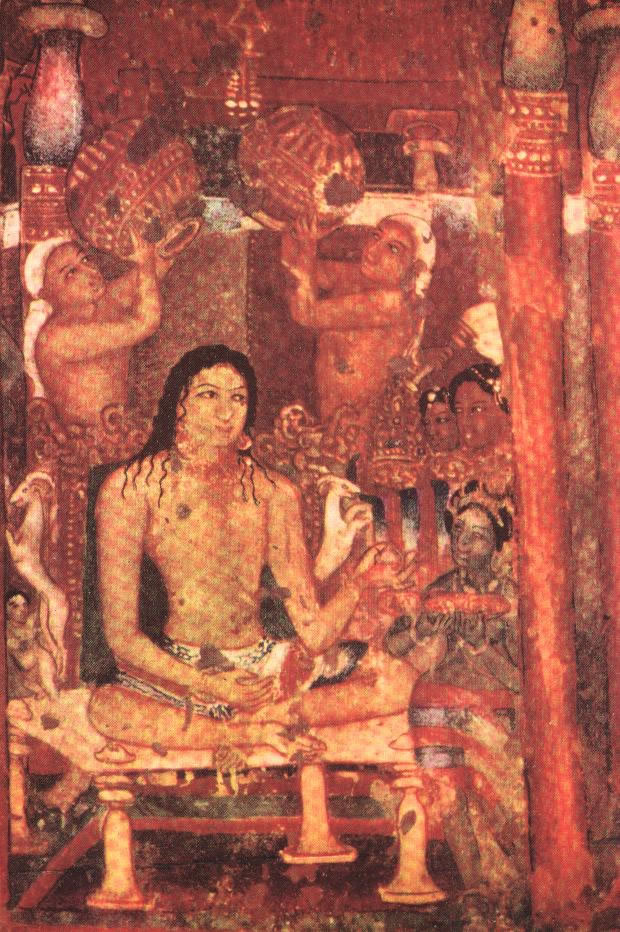
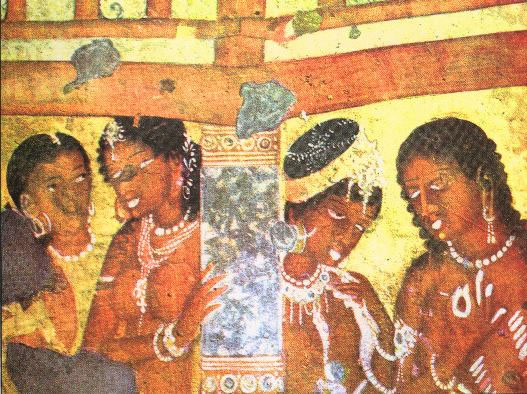
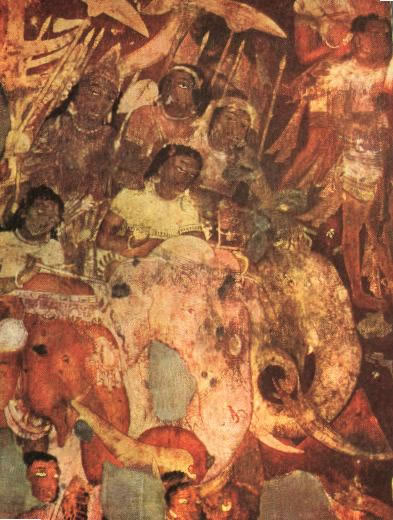
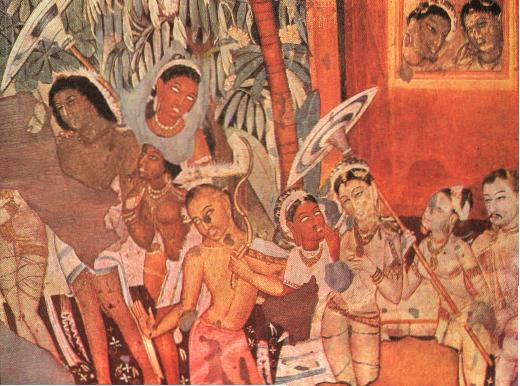
The faces - specifically the eyes, nose, and lips - and the hands and feet are drawn in the style of the paintings located in the Ajanta caves. They represent a two-thousand-year-old fresco style of artwork.
The proportions used in the figures are like those of the sculptures in the Elephanta caves near Bombay. These proportions were chosen because they are so beautiful and delicate, unlike the proportions found in the Ajanta cave paintings, which are very heavy and result in dwarflike figures. The sculptures in the Elephanta caves represent a style that is thousands of years older than the familiar Rajasthan style of artwork that is generally recognized as Indian art.
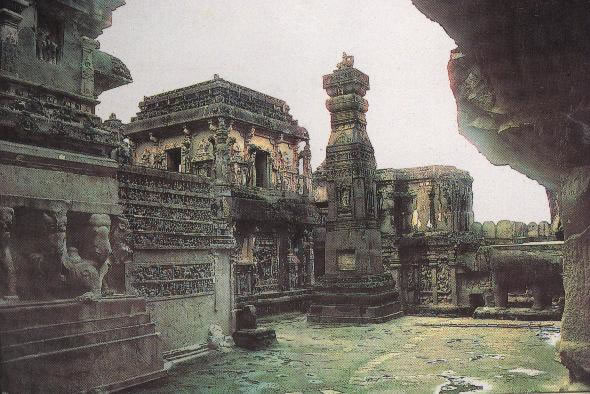
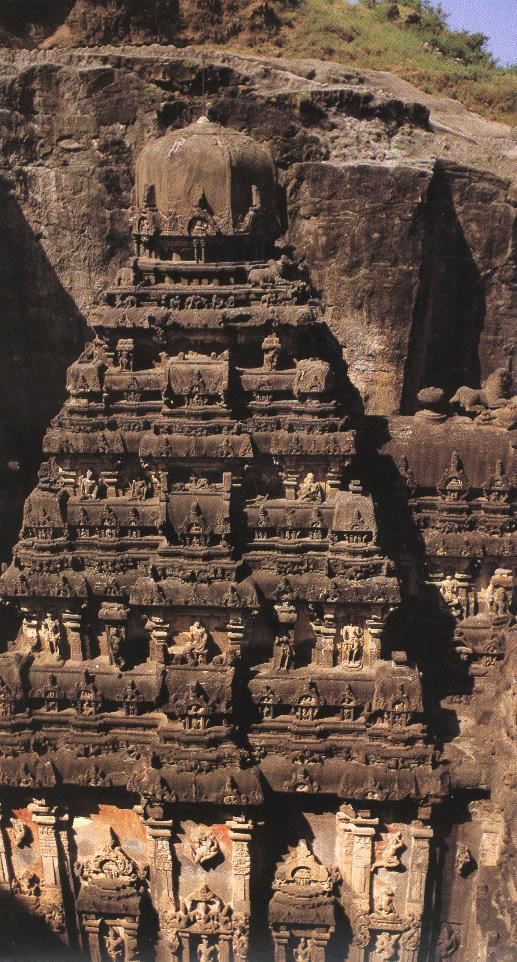
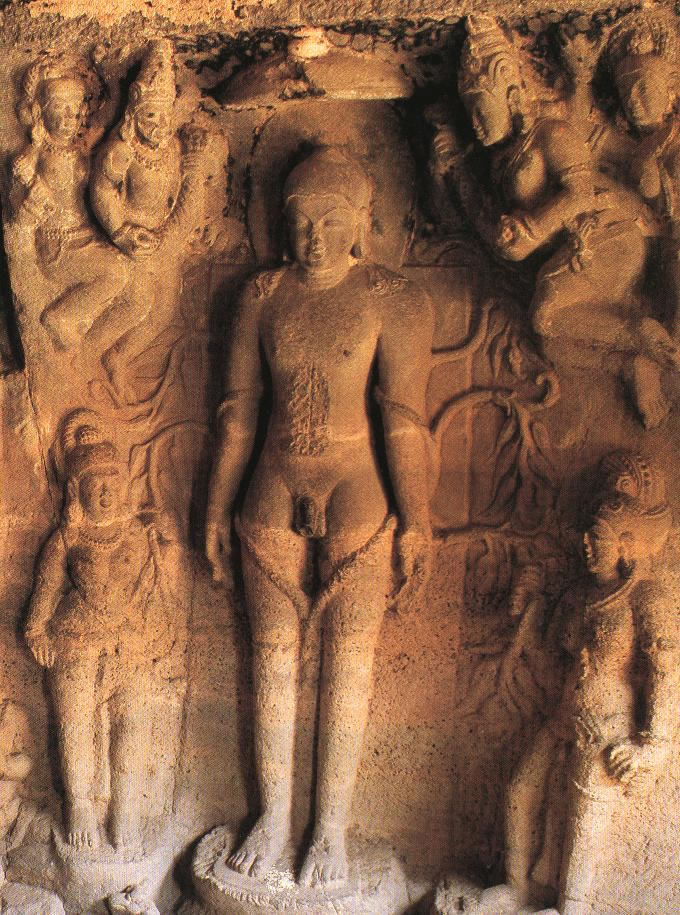
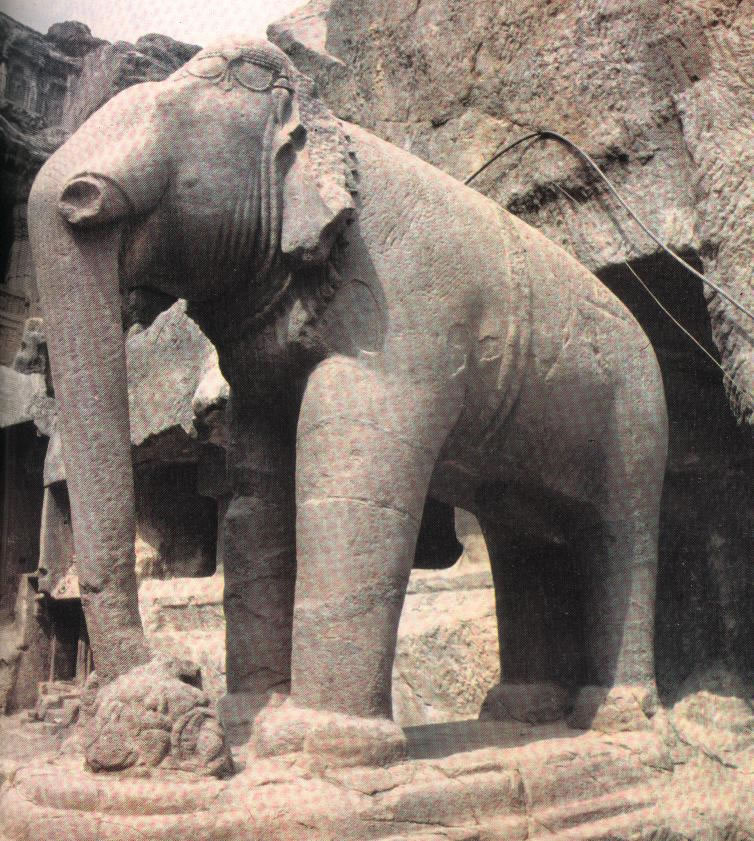
The postures and movements are inspired by the ancient sculptures of the Ellora caves and the Khajoraho temple because of the grace, preciseness, and expressiveness that these sculptures exemplify.
Another important feature of the artwork is the rich use of hand postures. There are not more than ten hand postures that are generally drawn by artists throughout the world. Indian art, however, uses as many as sixty-four hand postures, reflecting the sixty-four hand postures used in Indian dance rituals and worship. These hand postures, or mudras, have their own symbolism and language and are used as a way to express emotions. The richness that is found in the hand postures of Indian art is a gift to the entire world. The artwork uses these hand postures as a language of the heart as opposed to the language of the head.
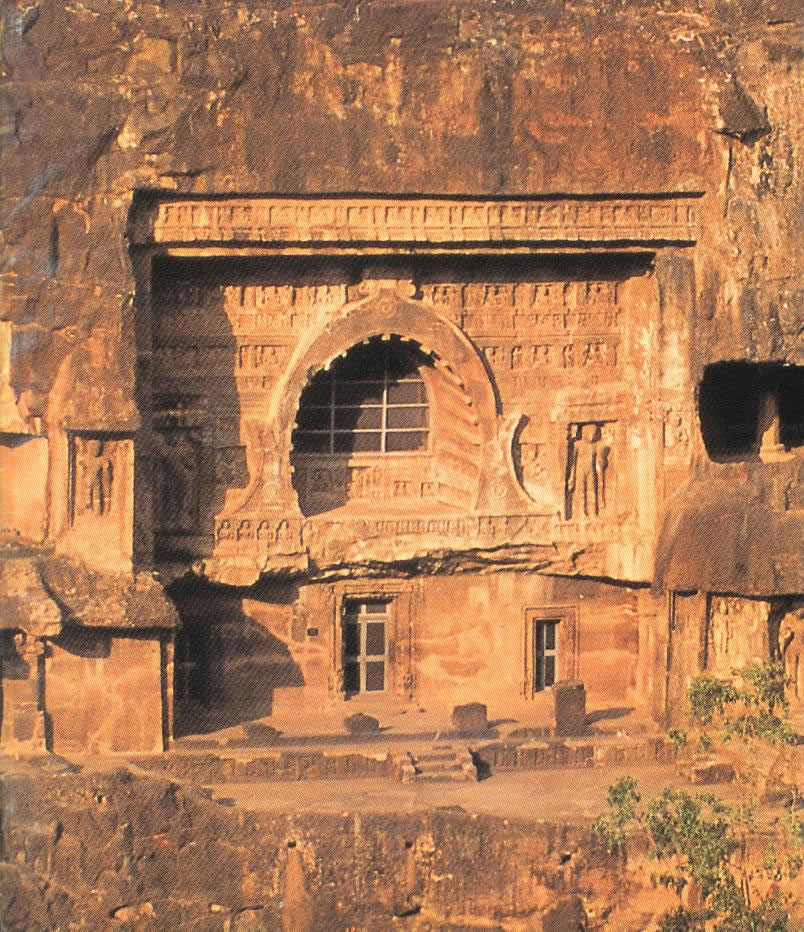
Ajanta_caves |
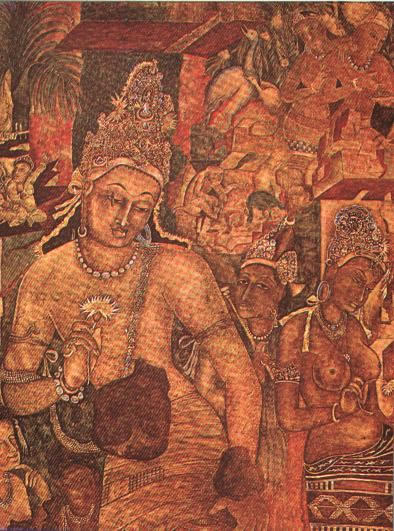
ajanta01 |
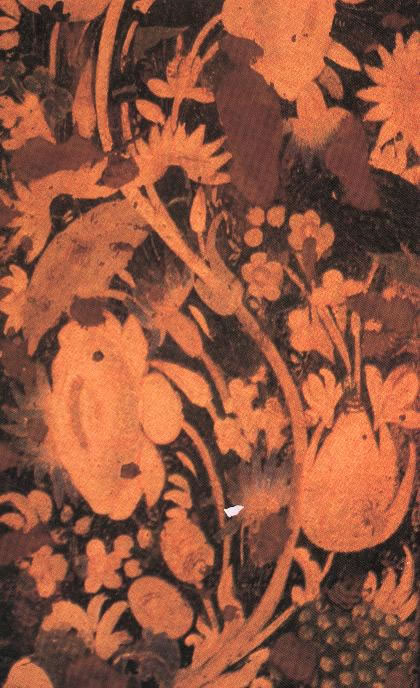
ajanta02 |
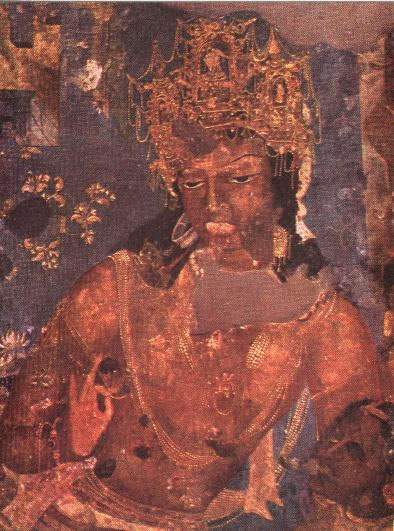
ajanta03 |
ajanta04 |
 ajanta05 |
ajanta06 |
 ajanta07 |
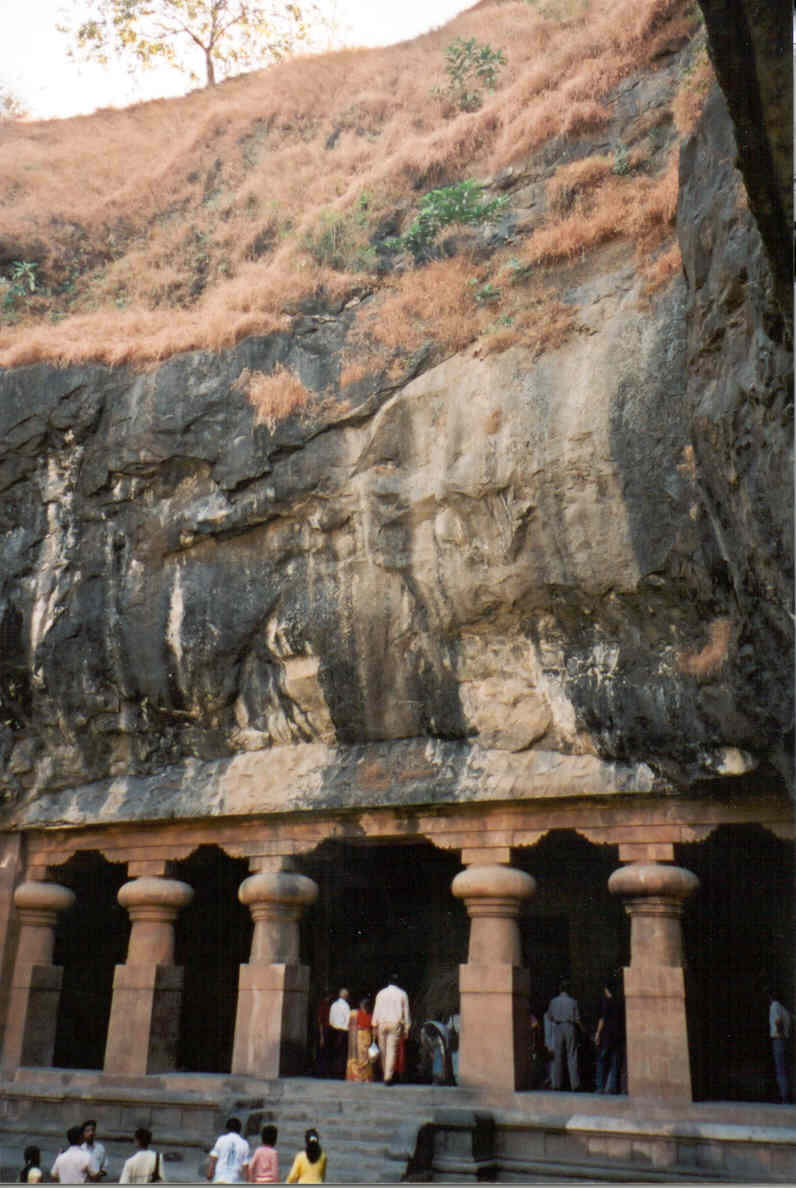 elephanta_caves |
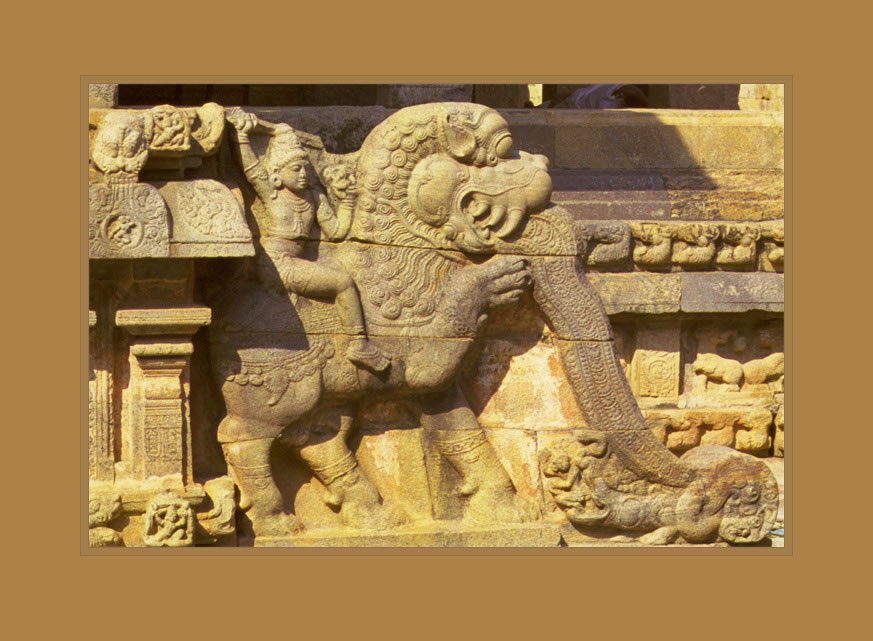 elephanta01 |
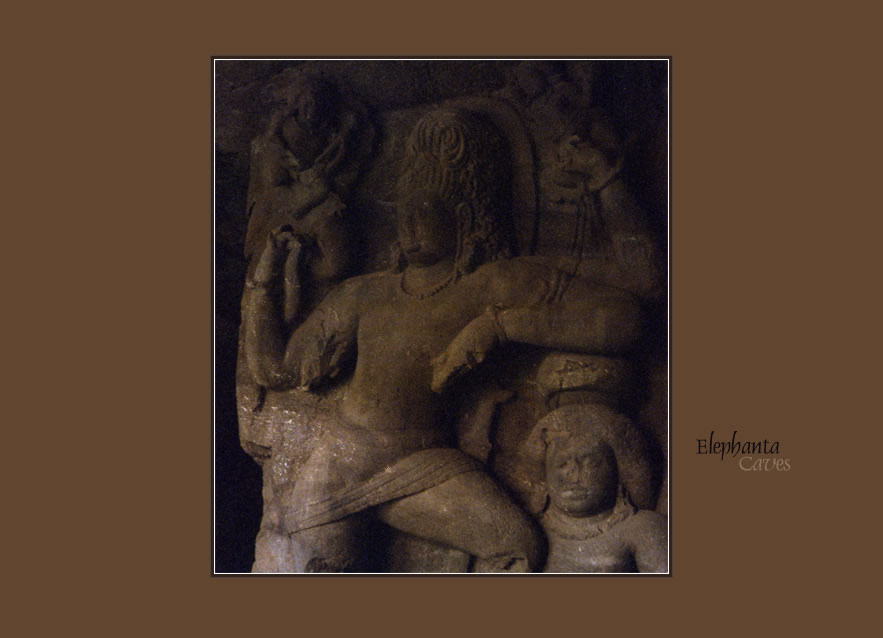 elephanta02 |
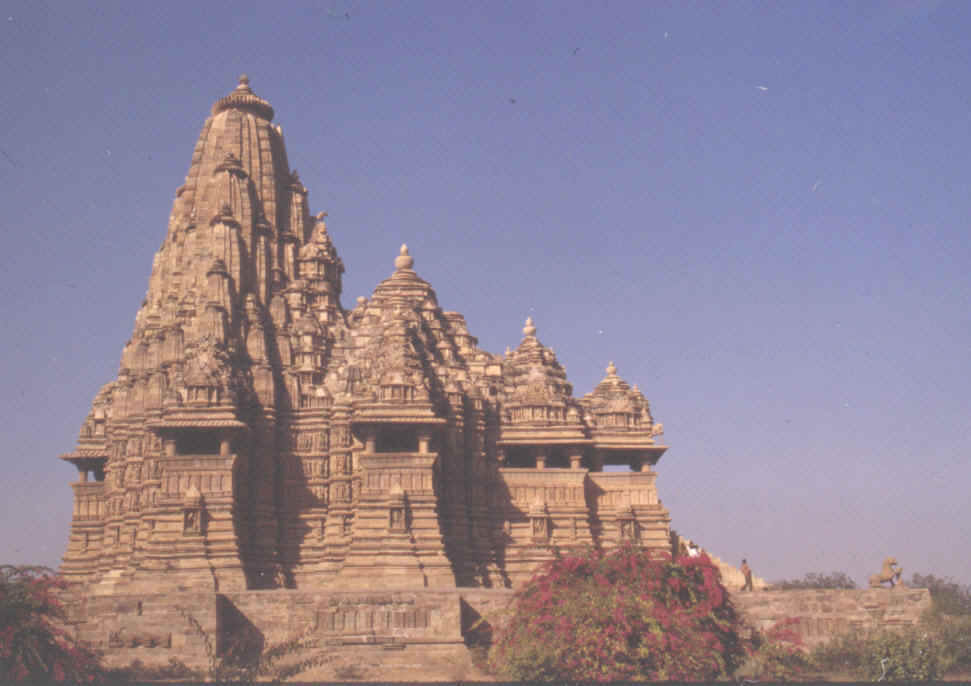 Khajurao_temple |
 Khajurao01 |
ellora_caves |
ellora01 |
ellora02 |
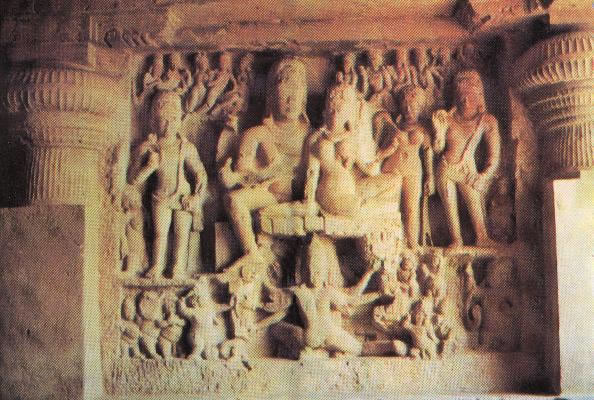 ellora03 |
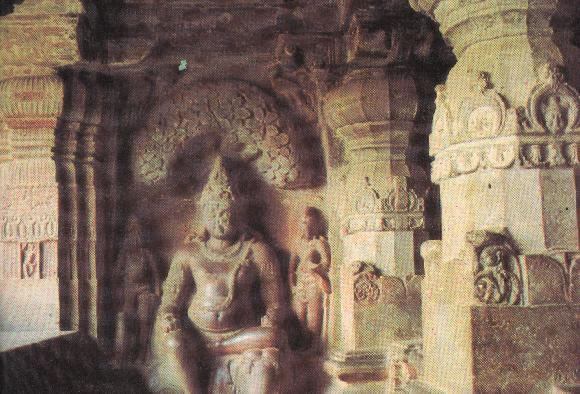 ellora04 |
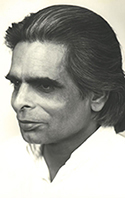 Sanatan Society is an international networking association of students of the late Harish Johari, joining efforts to promote his teachings of yoga philosophy, tantra, worship, art and love. Sanatan Society stands
for the original, universal and eternal truth, path or law of yoga.
Though it is Hindu in origin, Sanatan Society is not limited to any religion,
race, time or country, nor in fact to any particular organisation. More about Sanatan Society...
Sanatan Society is an international networking association of students of the late Harish Johari, joining efforts to promote his teachings of yoga philosophy, tantra, worship, art and love. Sanatan Society stands
for the original, universal and eternal truth, path or law of yoga.
Though it is Hindu in origin, Sanatan Society is not limited to any religion,
race, time or country, nor in fact to any particular organisation. More about Sanatan Society...