To spread the original, universal and eternal truth, path or law of yoga, which remains forever the same in essence, yet always adapts to the time and place.
|
To spread the original, universal and eternal truth, path or law of yoga, which remains forever the same in essence, yet always adapts to the time and place. |
|
> Indian
Art Galleries > Harish
Johari Painting Tradition > The
use of Color and Light

Comments on the use of color and light by Harish
Johari in an interview with Louwrien Wijers.
Color in the paper
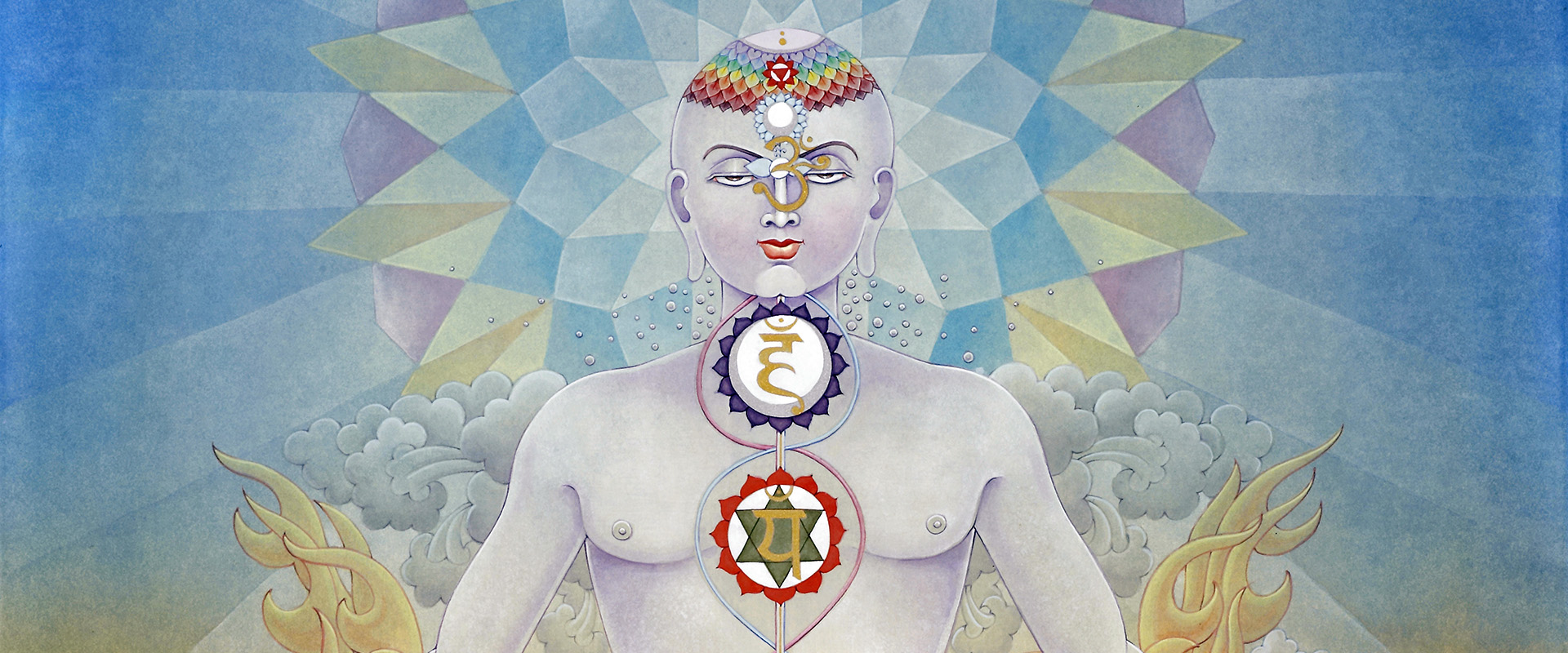
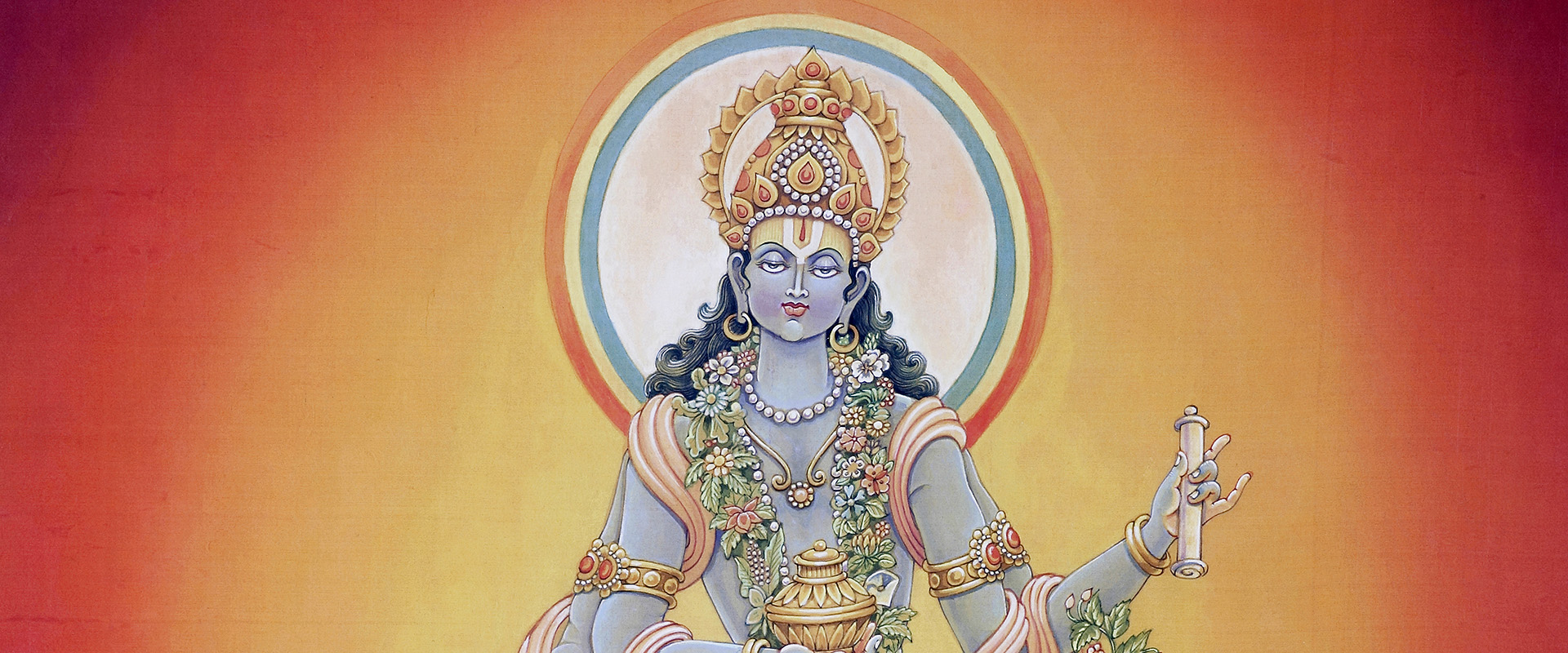
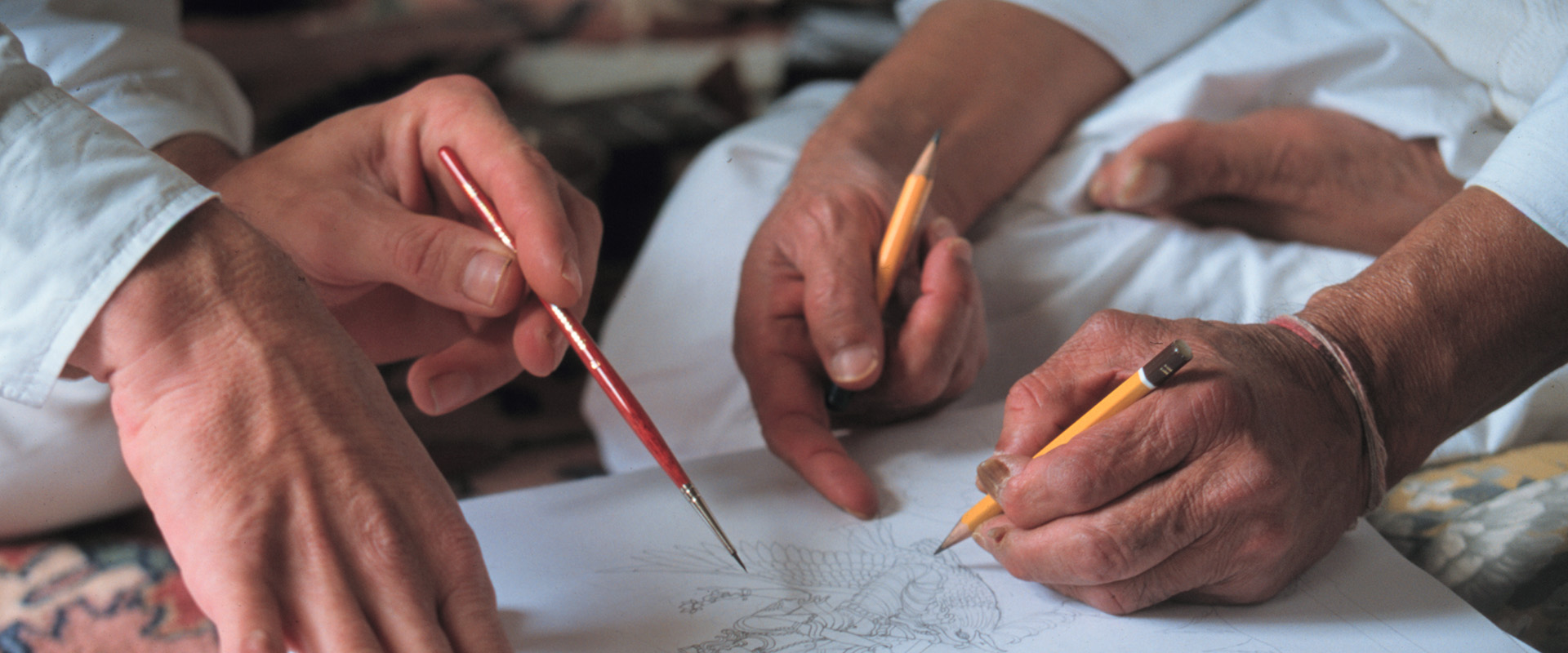
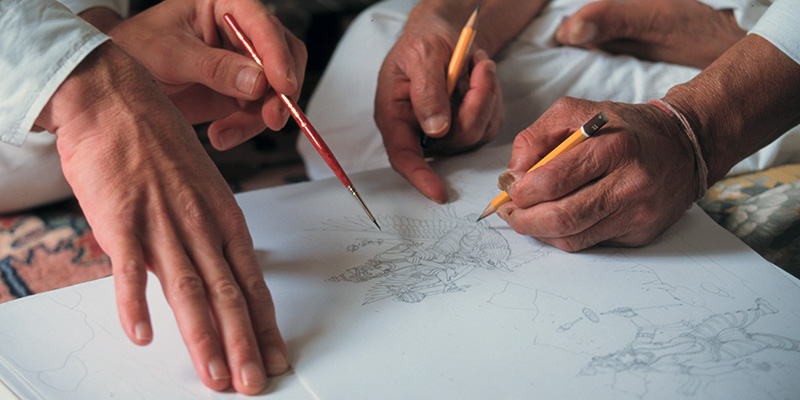
I want my paintings to have colour not on the paper but in the paper. All other artists in the world have their colour on the paper. And if you take a particular painting from a painter and you put it in a bath tub he will scream at you. And if you do that to me I'll laugh at you. That is the only difference. Because I make a painting - what I do is: I start with a sketch. I do the sketch in colour. Then I take it to the bathtub and I put water and let all the colours flow out. Whatever pigment has been absorbed by the paper, remains in the paper, the rest of the colour which was on the paper is gone.
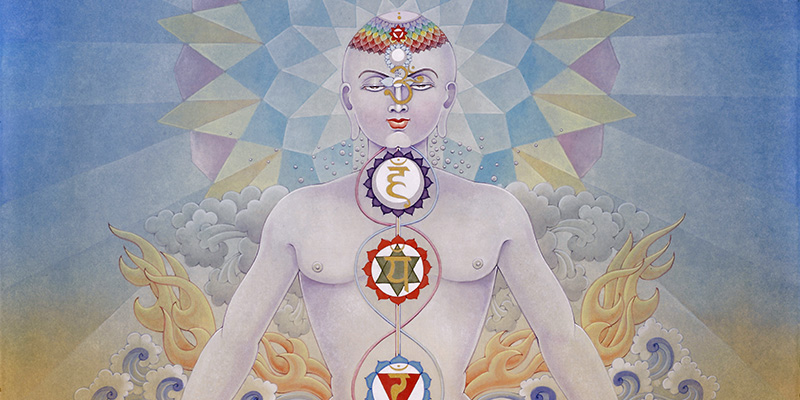
Then I sit down and I give colours to the drawing, using all the knowledge available in the west about painting and all the knowledge available in the east, because I don't restrict myself to a particular thing. I use the technique of giving highlights, giving middle tones and giving depths exactly the same way as any western painter does. The only thing is I am not hard. I blend all these things in such a way that you can't see any highlight very prominent and also you cannot see any depth very prominent, they all blend in with one another and yet, the right amount of depth should be there and is there and the right amount of highlights is also there. The right amount of depth also excites the highlight.
So I use the same technique and then after the painting is finished completely I put it in water again. And then all the colour which is on the paper washes off; whatever remains is mine. Then I take the colours that I think will create the mood. And I mix those colours with a little white colour and then I go over all the painting; all painted areas, blue and red and tallow and green. And sometimes you can feel that the blue colour is passing right over the yellow colour. And you can think that the blue will make the yellow green, but when I take it out and I put it in water again, the blue can never touch my yellow and can never make it green. That is impossible. But this is because I do the fixing of the colours, when I put in water. After I colour it, the colours which are there, now are fixed. And no other colour will disturb them. Then I fill the other colour over it, the other colour does not disturb it, and only produces a harmony inside the original colour.
Then I put it in water again. All the colour washes off. Then I again put in the lining as I was doing for the first time, as if have never started the painting. Then I put it in water again. Then I put the colours as if I have not put the colours in it. Then I put it in water again. Then I go over the whole wash again, so that all the colours in the painting completely hide. Sometimes you will see that the painting is completely lost. But after it dries up and I put it in water again all the colours come out exactly the same way I want. Then they feel secured.
Most of the times it happens like this: I am making a painting and it is not finished, I know. And I am working on it. And somebody comes and says: "oh god, when did you finished it?" and I say: "oh fantastic, it is finished. Take it." So that way I work with my eyes and with the eyes of persons who see my painting, and through their impressions and how they feel about it…and if all of them feel that it is perfectly finished I will have to feel that it must be finished, although I never feel it is finished… and I never made a really finished piece in my life. Always there are mistakes that I can see.
So this is the process of watercolour on paper, and when I give washes I use paper. Putting in water is not washing; putting in water is fixing. Wash is putting colours on a painting and burning it in on tone and creating certain effects. So I do it on water colour on paper with opaque colour and that way I make a combination between the transparent and opaque colours, but because there are no colours on the paper itself they are transparent anyway and that is why it gives a different effect.
On silk I use water with soapnut. Soapnut is a nut found in India, which has soap made by god not by man, and gives lots of foam. It is very good for silk and we use it for hair and things. And always I use it for fixing my paintings. I don't touch clear water in those silk paintings. I put colours, also with the soapnut washing and also dip it in soapnut water each time I paint; like I do the water colour on paper. And finally I finish it and also put it into the soapnut water and the colours they fix.
Light
There is one difference between our climate and your climate: we have very much light. So we don't use that much of darkness in our paintings as we find in western paintings. Here the sun is less and the rooms are closed, because of the climate. You don't have open windows, open rooms and at the time when these traditional western painters where there I think electricity was not there. So naturally they are not having so much light. So they have more darkness inside their pictures.
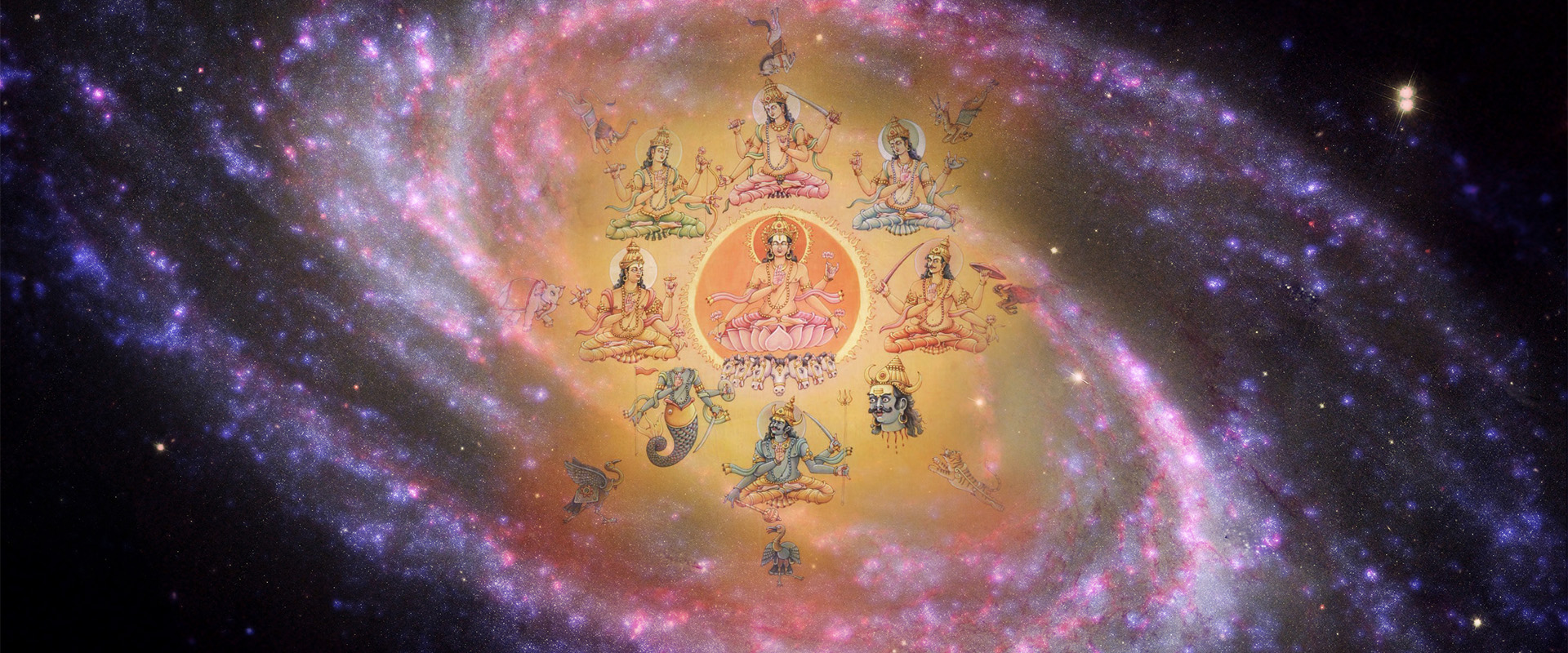
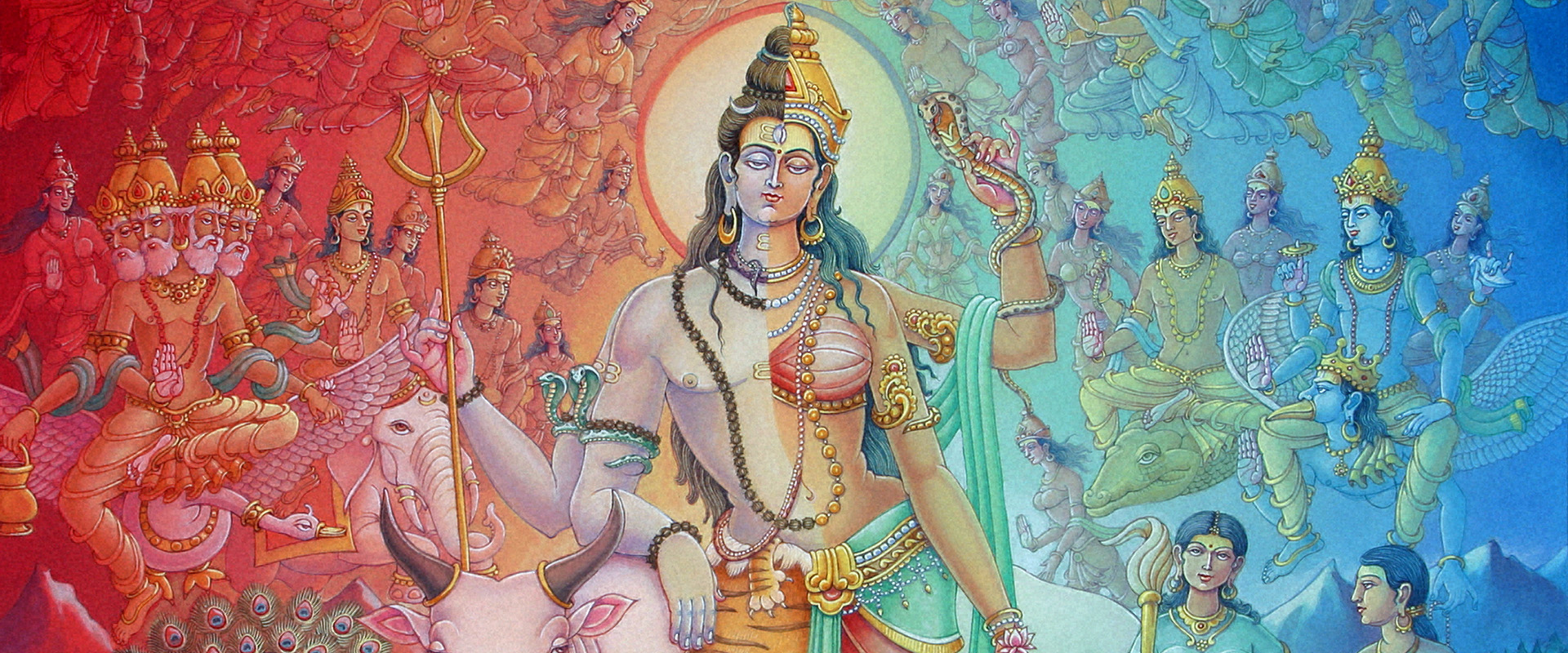
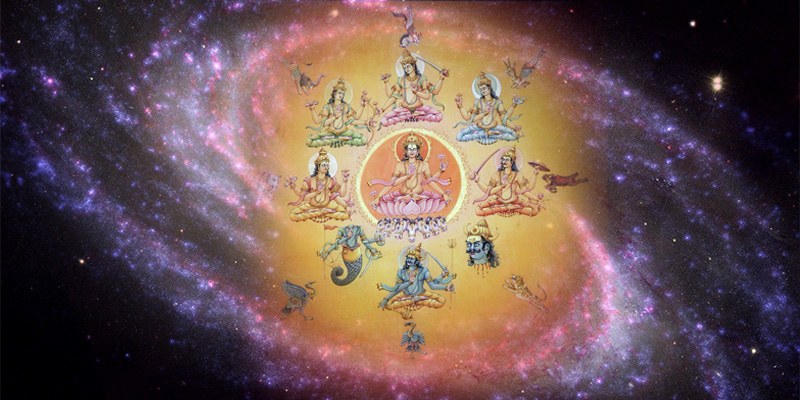
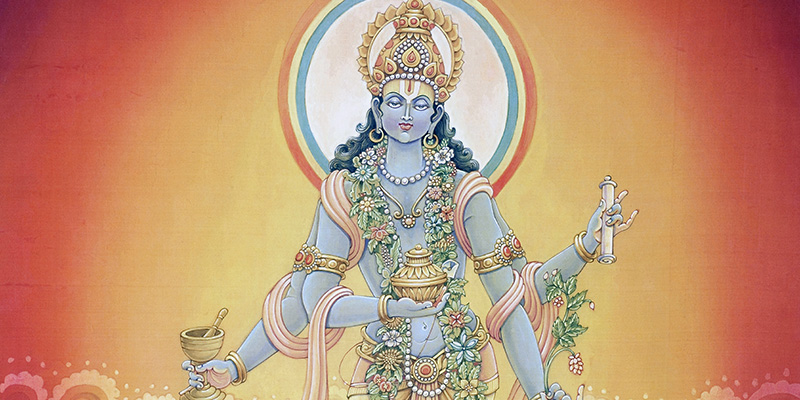
The other thing is the use of light and shade in our technique. Your technique is much different. You use the flash of light as if it is coming from one particular place. Or a dramatic theatre-studio way of lighting, from the back and from the other sides. So they always highlights spots, parts of the paintings. In our paintings we think the light is coming out from the painting, from the body of the deity. So our light and shade system is not that way; coming from one source of light, but the picture has light from within coming out. So all those parts which need light are lighted already as if it were from within.
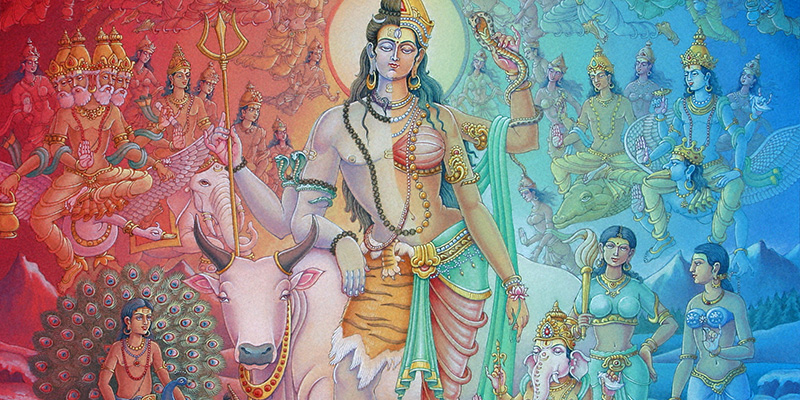
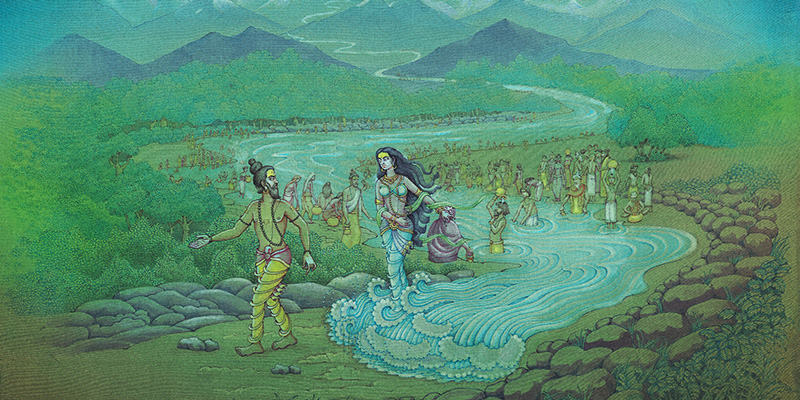
You have most of the time artists who have seen very much fog in their life; very much mist in their life. So their colours go into grey, and they are not really bright colours. Whereas we see colours very pure and very brilliant and very shiny and we those colours also the same way. But we use gold and silver also very much. Well I don't use them in my wash-paintings because these colours are opaque and I need transparency. But in my pastel colour technique, which is my usual tempera technique in India, I use these colours and I like them.
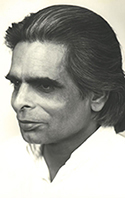 Sanatan Society is an international networking association of students of the late Harish Johari, joining efforts to promote his teachings of yoga philosophy, tantra, worship, art and love. Sanatan Society stands
for the original, universal and eternal truth, path or law of yoga.
Though it is Hindu in origin, Sanatan Society is not limited to any religion,
race, time or country, nor in fact to any particular organisation. More about Sanatan Society...
Sanatan Society is an international networking association of students of the late Harish Johari, joining efforts to promote his teachings of yoga philosophy, tantra, worship, art and love. Sanatan Society stands
for the original, universal and eternal truth, path or law of yoga.
Though it is Hindu in origin, Sanatan Society is not limited to any religion,
race, time or country, nor in fact to any particular organisation. More about Sanatan Society...